
A Story of Faithful Growth
Building for the Future
The story of our church’s expansion is one of vision, generosity, perseverance, and trust in the people God would send to us.
Growing Together Through the Generations
As the United Methodist Church of Osterville grew, so did the needs of its congregation and community. Over several decades, church members worked together to improve accessibility, expand worship and ministry spaces, and create a church campus prepared to serve future generations.
A New Church Home
The Early Years and Growing Needs
The church building in which we worship today was constructed in 1970. After the congregation formally moved from its downtown Osterville building to this new campus, the church experienced tremendous growth.
An additional worship service was added, and Sunday school enrollment more than doubled. This growth was a blessing, but it also created practical challenges.
Parking became increasingly difficult because people attending the first service often remained for fellowship, leaving few spaces for those arriving for the second service. Sunday school classes were being held in three different buildings, and additional chairs were regularly placed in the sanctuary, especially on holiday Sundays.
The congregation also became increasingly aware that the church building was not welcoming or accessible to people with mobility challenges.
Planning Begins
Planning for Expansion and Accessibility
In 1989, a building committee was formed, and plans began for a major addition to the church. The expansion was designed to take place in several phases.
Phase One focused on creating additional parking and constructing a new entrance to the church from Main Street. Before that time, the church property could only be entered from Pond Street.
Phase One was completed in the fall of 1994. Despite the untimely death of our beloved pastor, Blaine Taylor, during the capital campaign, the congregation raised more than enough money to construct the new entrance and parking lot located near the current playground.
Donations completely funded the project, including the planting of trees along the new entranceway.
A Larger Vision
A Major Addition Takes Shape
Plans for Phase Two included an elevator that would make the building fully accessible, an enlarged sanctuary, a new balcony, and a multipurpose room for the choir and other church activities.
The plans also included two new offices, an expanded secretary’s office, two basements, an accessible restroom, and a large entry room now known as the solarium.
The project was completed in the summer of 2002.
Plans for a Third Phase
A third phase was originally planned to include a new wing with an enlarged fellowship hall and kitchen, Sunday school classrooms, and a basement youth area.
As the congregation began using the newly completed spaces, it became clear that double sessions of Sunday school were helping reduce overcrowding. Other new and existing areas could also be used for youth activities, so Phase Three was placed on hold.
Designing the Future
Architectural Planning and Early Fundraising
As the building committee continued meeting, members realized that an architect was needed to help design and plan the addition.
Ethel Riedell generously contributed $5,000 to the building fund so the church could engage the services of an architect.
After the new entrance and parking area were completed, discussions continued about the feasibility and scope of the larger addition. A model of the proposed project was created and displayed prominently for the congregation.
Promises to Keep
The Capital Campaign
In 1999, the church hired a building consultant to determine whether the congregation could raise enough money through a capital campaign to complete the expansion.
The consultant recommended working with professional campaign assistance, and the church hired Resource Services. Heather Wolfe served as program director, and Wayne and Alyce Hayden chaired the campaign.
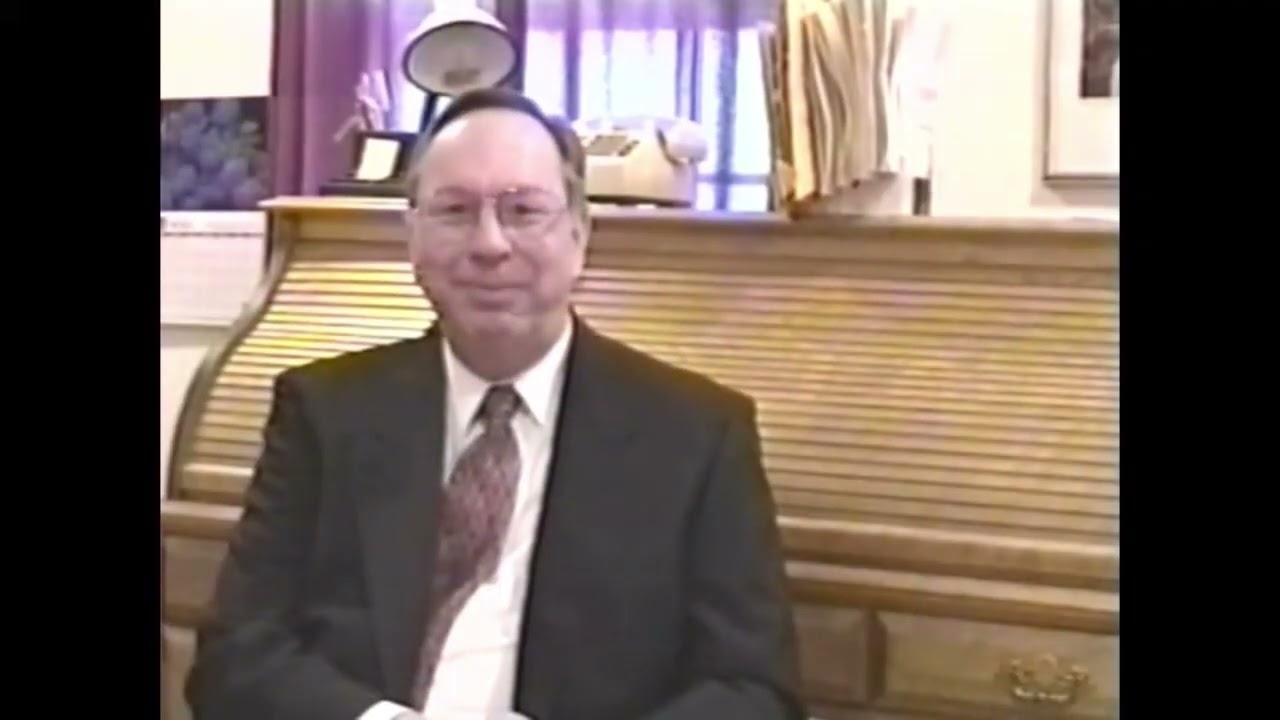
The church produced the Promises to Keep video, which inspired the congregation to give generously. Numerous subcommittees coordinated presentations, dinners in members’ homes, a large gathering at a Hyannis conference center, prayer groups, brochure design, and informational mailings.
Church leaders also met with the District Board of Church Buildings and Location, which approved the expansion plans.
By 2000, the congregation had pledged $575,000 to the Promises to Keep Capital Campaign.
“Let us plan for the people that God intends to send to us.” — Ernest Myers, Resource Services
Breaking Ground
Construction Begins and Challenges Arise
MHD Construction submitted a project bid of $795,000. The work was expected to be difficult because a substantial portion of the back of the church and the front office entrance had to be removed.
The addition also required multiple complicated connections to the existing rooflines. The goal was for the completed project to look as though every part of the building had been constructed at the same time.
Throughout construction, the preschool needed to continue operating, weekly worship services had to take place, scheduled meetings continued, and the church office remained open.
A groundbreaking ceremony was held in the spring of 2001. Rev. Stephen Stolle, who had been appointed to the church in 1995, had guided the congregation through the planning process and helped the church move toward realizing its dream.
The church received a loan from the United Methodist Foundation so construction could begin while capital campaign pledges continued to be paid.
The church’s architect, Owen Gunn, had moved to Rhode Island, so church leaders worked closely with contractor Mehdi Hosseini of MHD Construction in Yarmouth and his foremen.
Members of the Steering Committee were on site nearly every day as they addressed delays and unforeseen problems. The final project cost increased to $1,032,867.
More Than an Addition
Construction Enhancements and Building Improvements
During construction, workers discovered that the steeple was leaking while they were building the balcony, requiring additional repairs.
The church also added a basement beneath the solarium for the Lend a Hand group, installed vinyl siding and trim on the entire exterior, redesigned the chancel, added audiovisual equipment, and purchased new furnishings for the solarium, choir room, chancel, and balcony.
The Trustees contributed an additional $50,000 from Endowment Funds to help pay for these upgrades.
The church was converted from oil to gas heat and received a high-efficiency boiler. A project originally expected to take six months extended from the summer of 2001 through the summer of 2002.
While the sanctuary was under reconstruction, worship services were held in Fred Curtis Hall.
The Lend a Hand group, founded by Jim MacInnes in 1995, helped keep costs from increasing even further by contributing time, labor, and practical assistance.
The Completed Addition
A Transformed Sanctuary and New Spaces
When the project was complete, the congregation was thrilled with the additions and improvements.
The choir received its own room, and the sanctuary was enlarged with two additional rows of seating. Shortened pews created space for wheelchairs, and a ramp provided access to the chancel.
A balcony was added, the choir loft was reconfigured, and organ speakers were placed on both sides of the rear chancel area. The sanctuary ceiling was carefully blended where large beams had been removed and a new ceiling installed.
The new wood background behind the cross closely matched the original that had been removed during demolition of the sanctuary’s back wall. A larger, removable communion rail was also installed.
The solarium became a beautiful and welcoming space, with sunlight filtering through its skylights. Its kitchenette and accessible restroom were valuable additions.
Heather Wolfe received a dedicated office after working for the church since 1981 without her own office space. The secretary’s office gained room for the copy machine, equipment, storage, and additional workspace. The pastor also received a new office, and both offices were air conditioned.
The Lend a Hand group gained much-needed space for projects and materials, while the north basement was filled within a year. An auxiliary air circulation and heating system was installed for the sanctuary.
The crowning achievement was an elevator connecting all four floors of the church.
Faithful Stewardship
Managing the Mortgage
After construction was completed, the church incorporated the remaining mortgage payments into its annual operating budget.
In 2007, Louise Toler led the You Are the Church campaign to reduce the mortgage. The campaign received at least $81,000.
Because the loan from the United Methodist Foundation carried a high interest rate, the church later secured a new mortgage through Cape Cod Five Cents Savings Bank.
In 2008, Ethel Riedell made a $4,000 gift toward mortgage reduction. That same year, Pastor John Holt was appointed to the church.
The parsonage in which the Stolle family had lived was sold in 2009 after Pastor Holt purchased his own home.
The church repaid $47,000 to the Endowment Fund and established a $70,000 parsonage fund with the United Methodist Foundation.
From the remaining proceeds of the parsonage sale, $106,000 was applied directly to the church mortgage.
In only eight years, the church mortgage had been reduced to $162,000.
A Legacy of Generosity
Honoring Generosity and Legacy Gifts
In 2018, Louise Toler celebrated her 90th birthday at the church with a party she generously funded, including entertainment and a reception.
Instead of receiving gifts, Louise asked guests to contribute toward reducing the church mortgage. More than $2,300 was raised.
Louise died on December 26, 2021. More than $5,000 in donations were made in her memory.
She also left a legacy of annual gifts toward mortgage reduction, giving each year on her birthday and at Christmas.
A Final Gift of Love
The Legacy of Lois Taylor
On November 4, 2025, our beloved Lois Taylor, wife of the late Rev. Blaine Taylor, died.
Her family asked that memorial donations be made to the church’s mortgage reduction fund.
The outpouring of generosity was more than enough to cover the entire remaining balance of the mortgage.
January 25, 2026
A Moment of Celebration and Gratitude
Today, we celebrate the full payment of the church mortgage and give thanks for the generations of people who made this achievement possible.
Many people were instrumental in the planning, construction, expansion, funding, maintenance, and faithful stewardship of our beautiful church campus.
We remember them with gratitude, and we thank every person who helped build, sustain, and support this ministry.